Four core pillars of support — all centered on serving low-income youth and families in Arizona's West Valley.
Make Kids Matter focuses its Giving Back Project around four core pillars of support. Every program we run is free, barrier-free, and bilingual — because we believe no family should have to choose between their child's future and putting food on the table.
From literacy and STEM learning to emergency food relief and personal wish fulfillment, our work meets children and families exactly where they are — in the West Valley communities of Glendale, Avondale, Goodyear, Buckeye, Peoria, and beyond.
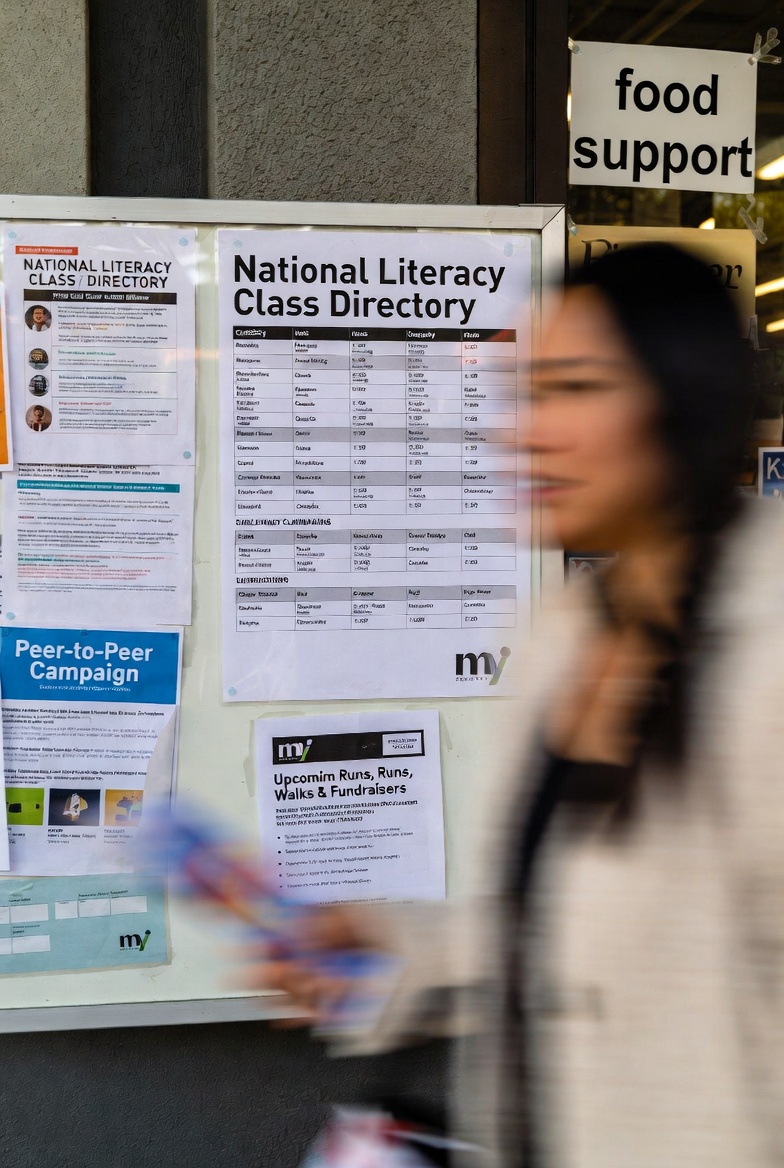
Each pillar addresses a distinct but connected need — because literacy, health, basic needs, and individual support all work together to help a child thrive.
Education is the foundation of our work. Through The Kids Matter National Literacy & Learning Program, Make Kids Matter supports children and families through publicly accessible literacy initiatives.
The program provides reading activities, educational materials, and family learning support that strengthen literacy skills, school readiness, and long-term educational outcomes.
We host annual health and community wellness events that support youth and young adults with physical, mental, and overall well-being. These events focus on education, prevention, and access to resources that help families build healthier lifestyles and stronger communities.
Make Kids Matter addresses immediate needs that directly affect a child's ability to learn and thrive. We provide direct relief that removes barriers — so children can show up to school ready to succeed.
We have also distributed specialty and branded items, including donated athletic gear, to ensure youth receive items that are both practical and confidence-building.
We believe that small acts can have a big impact. Make Kids Matter fulfills individual wishes for children in need, providing requested items that typically range from $10 to $400, with occasional larger donated items when available.
This flexible support allows us to respond directly to real, immediate needs that fall outside traditional program structures — providing encouragement to a child during a difficult time.
Clothing & personal care items distributed
Books & educational materials distributed
Food supplies provided to families
Parents show increased English literacy gains
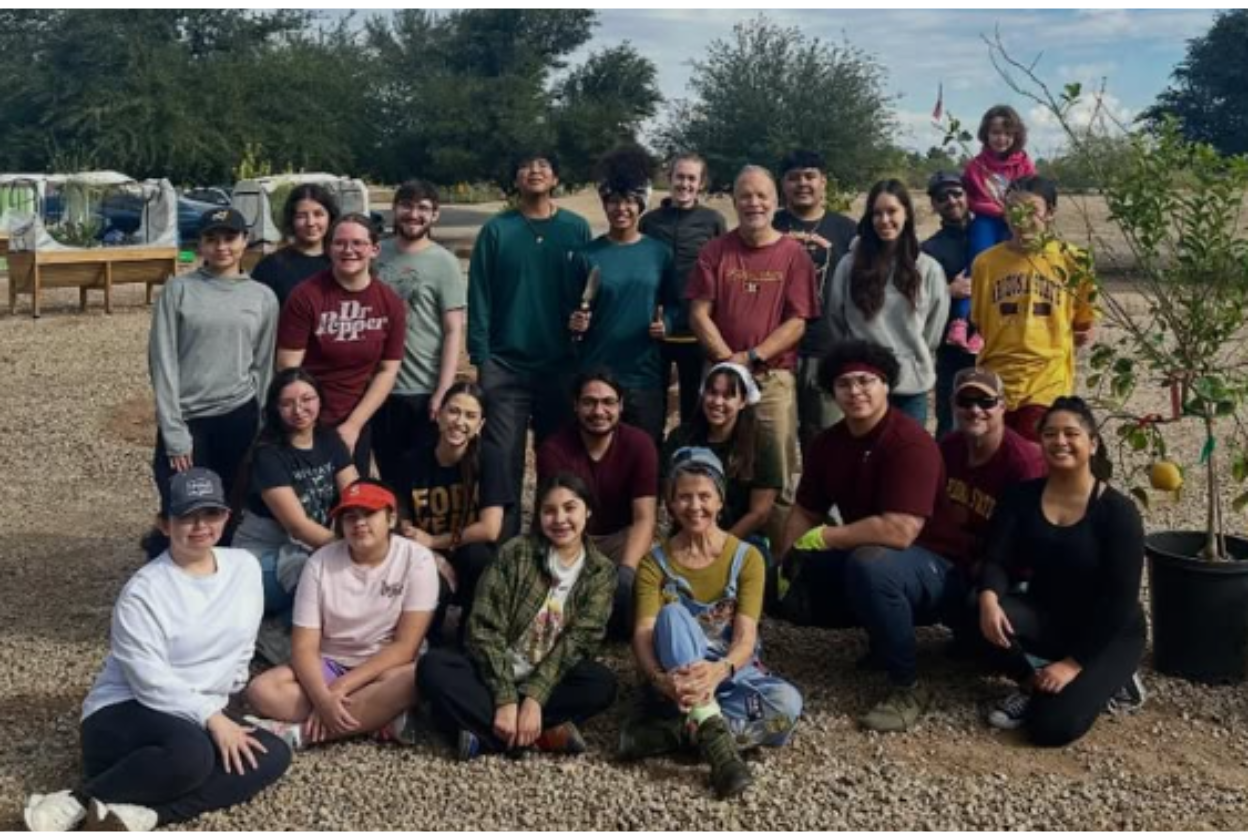
Volunteer, donate, or partner with us to expand our reach across the West Valley.